What a digital twin is, and what it is not
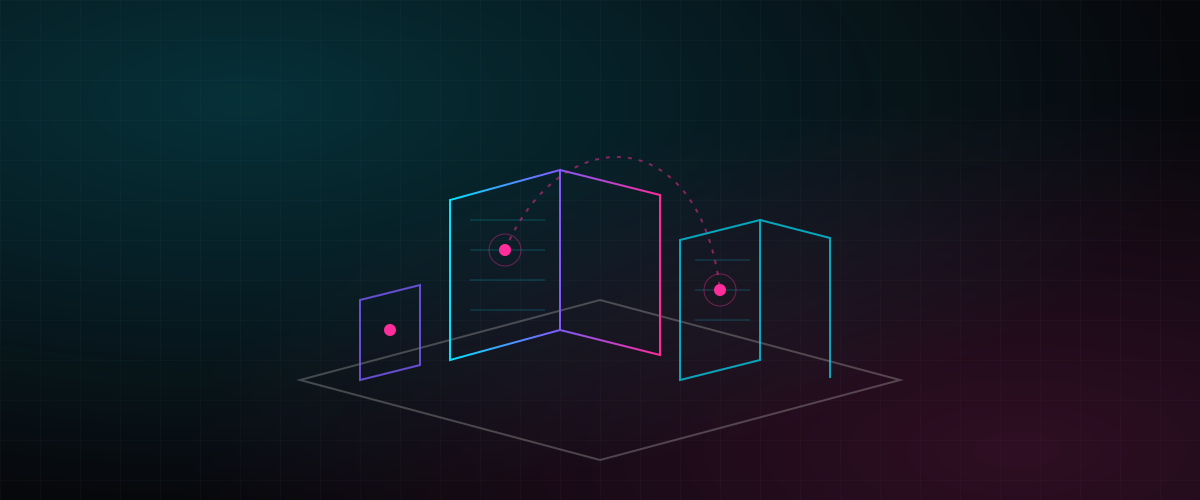
A digital twin is a 3D model of a real place or asset that is linked to information about it. The model shows where things are. The link tells you what they are, how they are doing and what has been done to them. Take away the link and you have a visualisation. Take away the model and you have a spreadsheet.
The idea is simple to state and demanding to keep alive. A twin of a district is useful only while the information behind it is current, so the first design question is not how it looks but who updates it and from what source.
We build twins for facilities, showrooms and campuses, and the approach described here is the same across them. Our digital twin services page lists the delivery, and a university campus twin built in Jordan shows it applied to a whole site.
Why giga-scale developments change the brief
A single building has a caretaker who knows where the valves are. A district has no such person. Several things about very large developments make a shared 3D picture close to essential.
Many hands. Design teams, contractors and suppliers each hold part of the picture. A twin gives them a common one.
Phasing. Areas open while others are still being built. The twin shows what is live, what is in progress and what is planned.
Long life. The buildings will be operated for decades, long after the people who designed them have moved on. The information has to outlive them.
Distance. An engineer in one part of the site needs to look at a problem in another, and an expert elsewhere needs to help. A shared model and live video shrink those distances.
These are the reasons that digital twins for very large developments in Saudi Arabia commission keep appearing in briefs. They are also why the first conversation should be about operations rather than graphics.
From design model to working twin
| Layer | What it holds | Who uses it | A question it answers |
|---|---|---|---|
| 3D model | Buildings, floors, rooms and equipment, to scale | Planners, designers, operations | Where is this, and what is next to it? |
| Information | Asset records, documents, maintenance history, operating guidelines | Facilities and maintenance teams | What is this, and when was it last serviced? |
| Live data | Equipment status from building management systems | Control room, technicians | What is running, and what has failed? |
| Experience | Browser views, VR rehearsal, AR overlays on site | Everyone from managers to trainees | Can I see this without travelling there? |
| Decisions | Scenario tests for evacuation, space changes and energy measures | Managers, safety officers | What happens if we change this? |
What facilities teams do with a twin
These are the everyday uses behind digital twin facilities management Saudi Arabia operators ask about.
Virtual walkthroughs
Inspect an area, spot issues and plan maintenance without being on site.
Information on the asset
AR can overlay status, maintenance history and operating guidelines on the equipment in front of the technician.
Remote assistance
An expert guides an on-site technician through a complex task, which can reduce downtime and travel.
Training and safety
Rehearse emergencies and review safety procedures and evacuation plans before they are needed.
Scenario simulation
Test evacuations, space changes and energy-saving measures in the model first.
Integrated systems
Connect the twin to building management systems so one view shows monitoring and control.
VR, AR and mixed reality are ways of seeing the twin
People often treat VR, AR and mixed reality as separate projects. For facilities they are different windows on one twin. A headset suits rehearsal and review: walking an unfinished wing, practising an evacuation, briefing a client. A phone or tablet suits the site, where an AR overlay shows an asset’s data. Mixed reality suits remote help, with an expert sharing the technician’s view. A browser suits everyone else, including the manager who will never wear a headset.
Our article on VR, AR and mixed reality for facilities management goes through the options. For the regional picture and the first overview we wrote, see digital twins and Saudi giga projects.
One point worth making early: the immersive view is only as good as the twin behind it. Invest in the model and the data first, and the headsets can follow.
How to start without committing to the whole site
Nobody should model a district in one go. The sensible route is to choose one building or one zone where a real operational pain exists, and to prove the workflow there.
First, define the questions. Which three or four questions do operations staff ask most often and answer slowest? Those become the twin’s first requirements. Second, survey what exists: drawings, models, asset registers and the systems that hold status data. Third, decide who owns each layer. Fourth, build the model to the level of detail the questions need, connect the information, and test with the people who will use it daily. Finally, extend to the next zone with the lessons learned.
We front-load these decisions in a scoping workshop before modelling begins, because the difficult part is seldom the modelling. It is agreeing what the twin is for. If you are weighing one for a development or a facility in Saudi Arabia or Jordan, bring us the list of things your team cannot see today. That list is the specification. Our digital twin product page gives the detail.
Digital twin for large developments Saudi Arabia: frequently asked questions
What is the difference between a BIM model and a digital twin?
A BIM model describes the design and construction. A digital twin keeps the model connected to operating information, such as asset records, maintenance history and status, so it stays useful after handover.
Do we need VR headsets to use a digital twin?
No. A twin can be used in a browser. Headsets help for rehearsal and review, and phones or tablets help on site for AR overlays.
Can you work on a site of that scale?
We recommend starting with one building or zone, proving the workflow and extending from there. The same method applies whatever the final size.
Who owns the twin once it is built?
The client. We build it, train the staff and hand it over, so that the asset owner controls the model, the information and the access.