The real cost of manual shipment tracking
In most forwarding offices we visit, tracking lives in shipping line websites, email threads, spreadsheets and the memory of one coordinator. Every customer update means checking several sources, then typing a reply. When that person is on leave, customers wait. A good tracking system removes that bottleneck by pulling every status into one place and sharing it automatically.
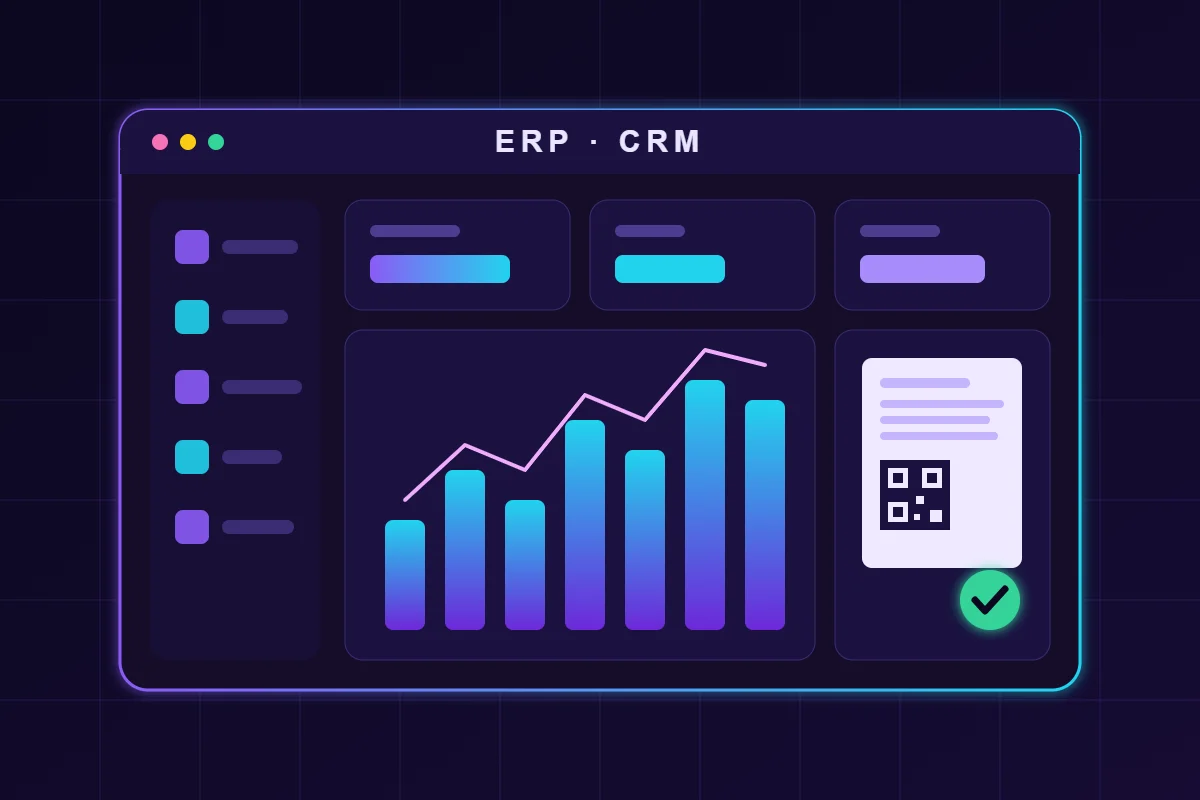
What modern shipment tracking software does
| Feature | Why it matters |
|---|---|
| One shipment record | Booking, container or AWB number, documents, costs and milestones in one file |
| Milestone updates | Departure, arrival, customs, release and delivery logged as they happen |
| Customer portal | Customers see their own shipments and download documents without calling |
| Alerts | Delays, missing documents or demurrage risks flagged before they cost money |
| Proof of delivery | Driver app with signature, photo and time stamp |
| Billing link | Charges flow to invoicing, with ZATCA or JoFotara e-invoicing |
Where AI makes shipment tracking software different
- Answers in plain language: a customer asks "is my container out of customs?" and gets the current status in seconds.
- Reads incoming emails and documents: AI extracts container numbers, dates and status changes from carrier emails and updates the record.
- Predicts delays: by comparing planned and actual milestones, the system flags shipments likely to be late so your team calls the customer first.
- Summaries for managers: a daily list of shipments at risk, waiting for documents or ready for delivery.
The AI only answers from your live data and hands the conversation to a person when it is unsure.
Tracking on WhatsApp, in Arabic and English
Customers in Jordan and Saudi Arabia already message you on WhatsApp. A WhatsApp AI agent connected to your tracking system can answer status questions, send the bill of lading or delivery note, and alert a coordinator when a customer is unhappy. Your team stops copying and pasting the same updates and spends time on exceptions.
Connecting carriers, customs and your ERP
Tracking is only as good as its data. We connect shipping line and carrier updates where available, customs status from your broker workflow, warehouse and delivery data, and your accounting or ERP. Read our guides on customs document automation and ERP for distributors and supply chain, and see our ERP and CRM software in Jordan and Saudi Arabia page.
How to start
- List your top ten customer questions and where the answers live today.
- Choose one trade lane or one big customer for a pilot.
- Set up shipment records and milestones, then the customer portal.
- Add the WhatsApp agent once the data is reliable.
- Add delay prediction and manager summaries after a few weeks of clean data.
Nplay has built software for companies in Jordan and Saudi Arabia since 2017, with teams in Amman and Riyadh. We build tracking systems as part of a logistics ERP or as a standalone system that connects to the tools you already use.
Common questions
What is shipment tracking software?
It keeps every shipment in one record with milestones, documents and costs, and shares live status with your team and customers through a portal, alerts or WhatsApp.
Can customers track shipments on WhatsApp?
Yes. A WhatsApp AI agent connected to the tracking system answers status questions in Arabic and English and passes complex cases to a coordinator.
Does it work with shipping lines and customs?
We connect carrier updates where they are available and record customs milestones from your broker workflow, so the status reflects reality.
Can it connect to our accounting or ERP?
Yes. Charges can flow to invoicing with ZATCA or JoFotara e-invoicing, and shipments can link to orders and stock in your ERP.
Does Nplay build shipment tracking software?
Yes, as part of a logistics ERP or as a standalone system, with teams in Amman and Riyadh.
Related: ERP for distributors · AI in logistics and inventory · WhatsApp AI agent · اقرأ بالعربية